Your Cart is Empty

In October 2018, Purifas® conducted a clinical trial on the difference in bacterial transfer from the client to the therapy bed with and without the use of the FaceShield™.
As part of the study, we followed a stringent three step cleaning protocol to ensure the bed was sterile before we commenced treatment to guarantee accurate data collection. A swab of the bed was taken to ensure the bed was sterile.
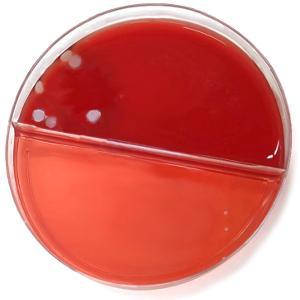
The first aspect of the study, physiotherapy treatment without the FaceShield™, replicates the current lack of protection around the face hole, with a swab taken after five patients to determine bacterial transfer (Figure 1).
This process was repeated with the FaceShield™ to assess the reduction in bacterial transfer as a result of using the FaceShield™ (Figure 2).
Images of the agar plates comparing the levels of bacterial growth are below. It is evident from the images that there is a significant reduction in bacterial transfer with the use of the FaceShield™.

|
 |
|
Figure 1: No FaceShield™ used |
Figure 2: FaceShield™ used |
As the FaceShield™ filters bacteria in both directions, if the bed was infected with pathogens prior to commencing therapy, our FaceShield would also protect the consumer as it reduces their exposure to these microbes.


The Dream Topper story continues with a new extended face cradle version designed specifically for horseshoe-style or contoured therapy beds. Built from therapist feedback, it delivers the same premium comfort, hygiene and presentation as the original — now in a cradle-specific design that supports a smoother, more natural prone position. Part of the Purifas zero-towel solution, it helps reduce towel use, streamline hygiene and elevate every client experience.


Therapists often assume reusable automatically means sustainable — especially with towels. But when you look at the full lifecycle, laundry carries hidden water, energy, chemical and time costs that add up fast. This blog breaks down the real environmental impact of laundering versus recycling polypropylene, and shows why the greener choice isn’t about reusable vs single‑use in theory, but about which pathway actually reduces harm in a busy clinic.


 Pay $0 today
 Trial
Trial
 Pay
Pay