Your Cart is Empty





We put the FaceShield™ through rigorous clinical and scientific tests. Here is what we found.

Purifas® understands professional therapists and businesses highly regard the opinion of their patients and clients. In June 2018, we conducted market research to find out what is important to them and what they thought of the Purifas® FaceShield™ and Purifas FacePad®.

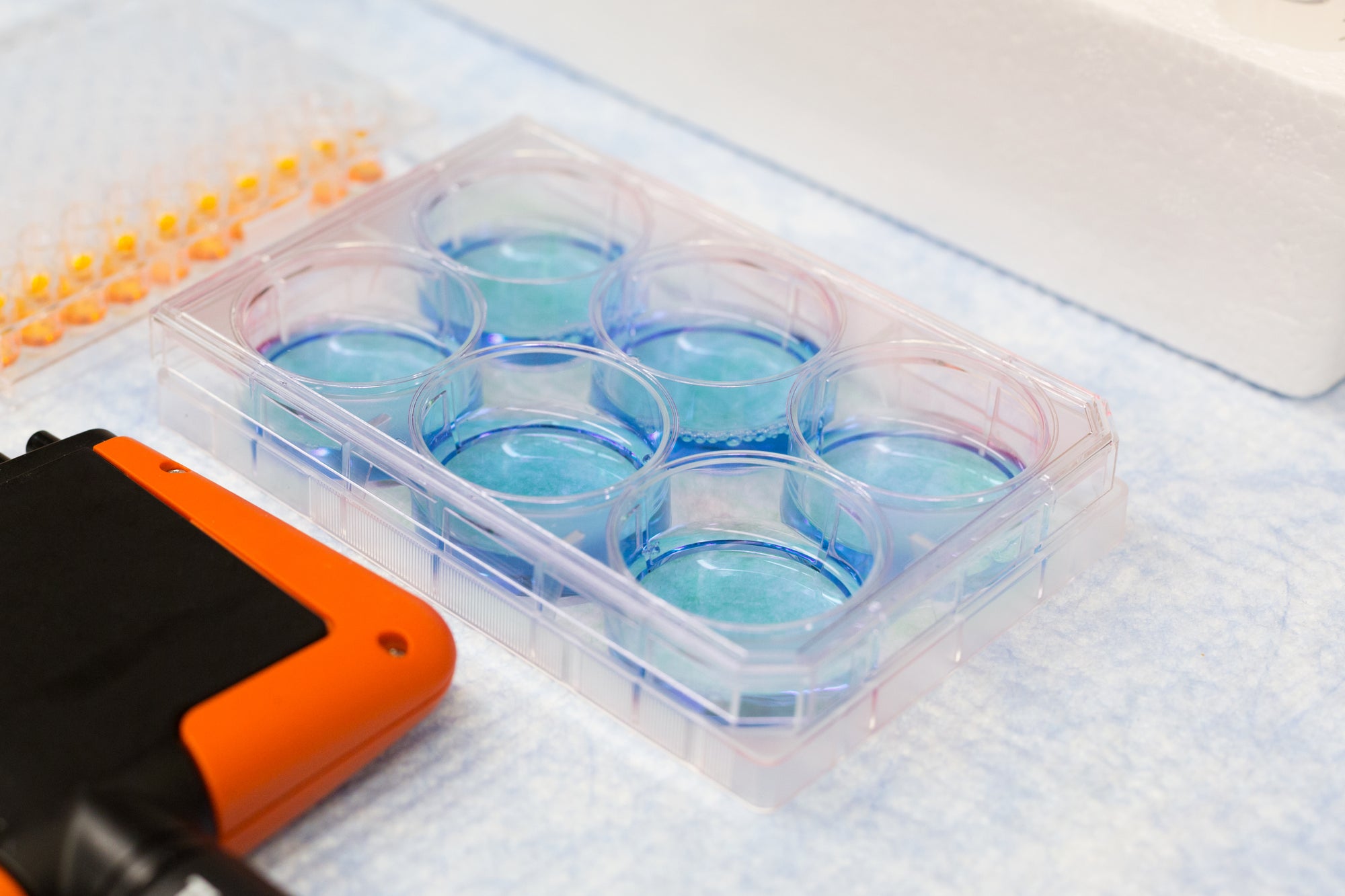
Is there a risk of Cross Infection? Our research shows there is.
In August 2019, we randomly swabbed the internal aspect of the face hole of five therapy beds from five different private clinics in Australia for analysis. The swabs showed the face holes carry viruses and bacteria.


Purifas® FaceShield™ was put to the test. Just how much bacterial filtration can it provide? We conducted two tests for Bacterial Filtration Efficiency (BFE) through two reputable, independent international laboratory. The results speak for themselves.

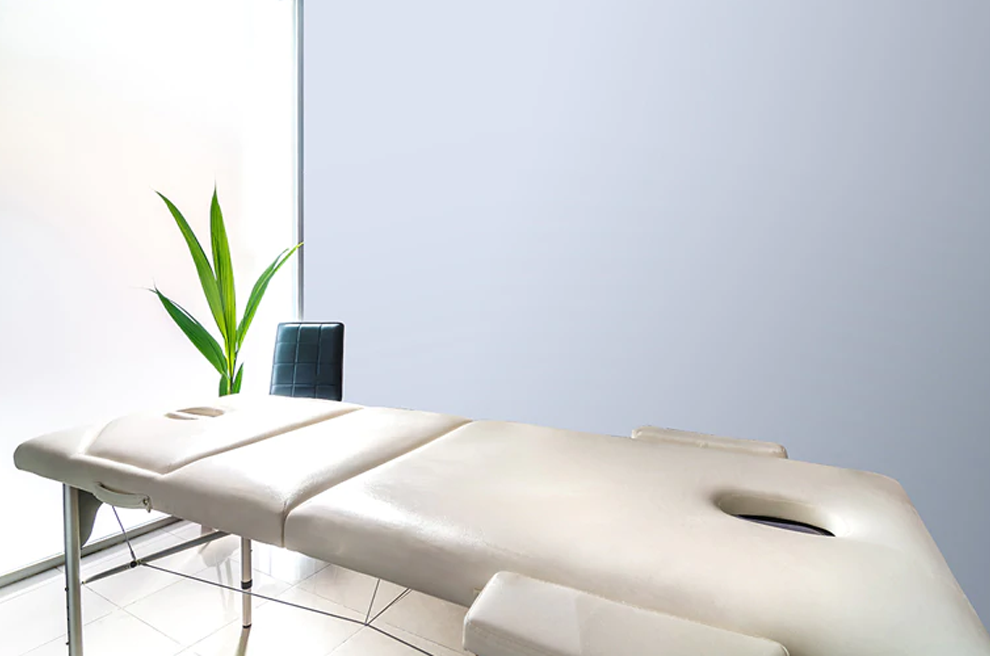
Purifas® conducted a clinical trial to determine the difference in bacterial transfer from the client to the therapy bed with and without the use of a FaceShield™. The results are clear – using a FaceShield™ during treatment significantly reduces the transfer of bacteria to the therapy bed.

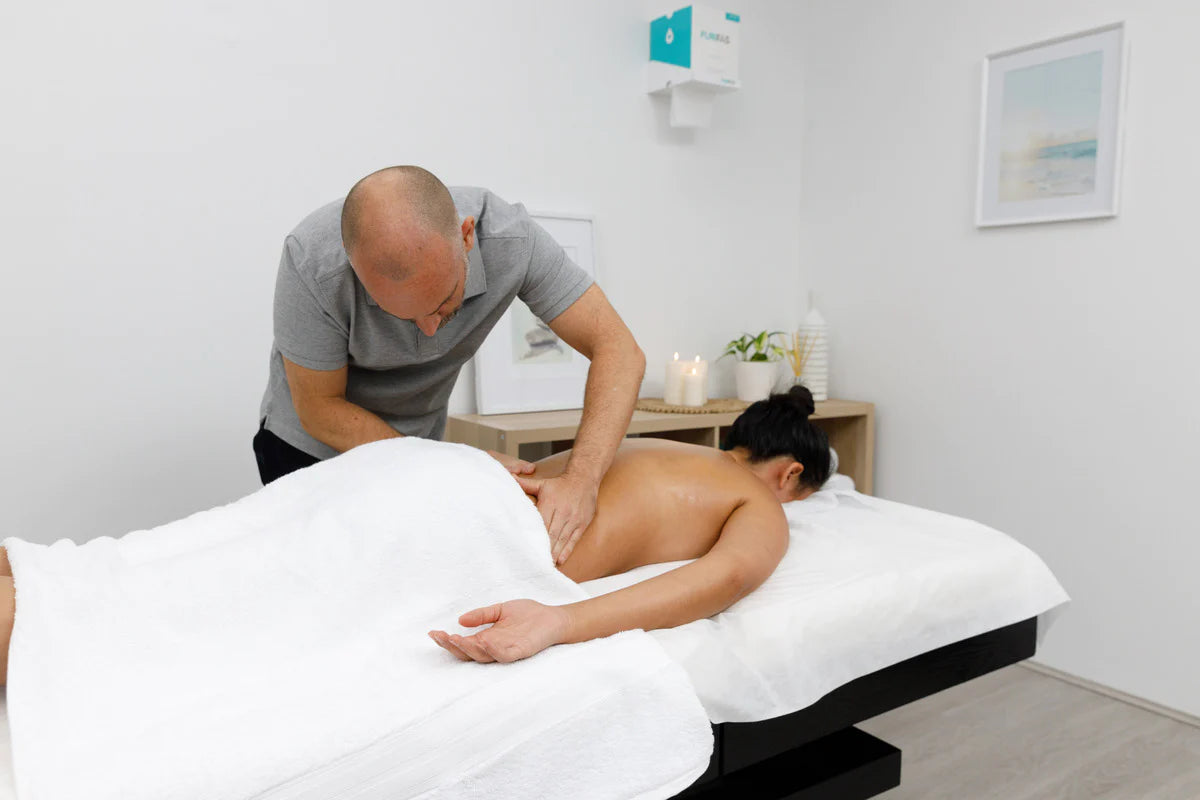
In November 2021, Purifas sponsored a clinical trial that was developed and completed by an independent microbiologist from Macquarie University in Sydney. Find out how the effectiveness of our FaceShield compares to an antibacterial wipe

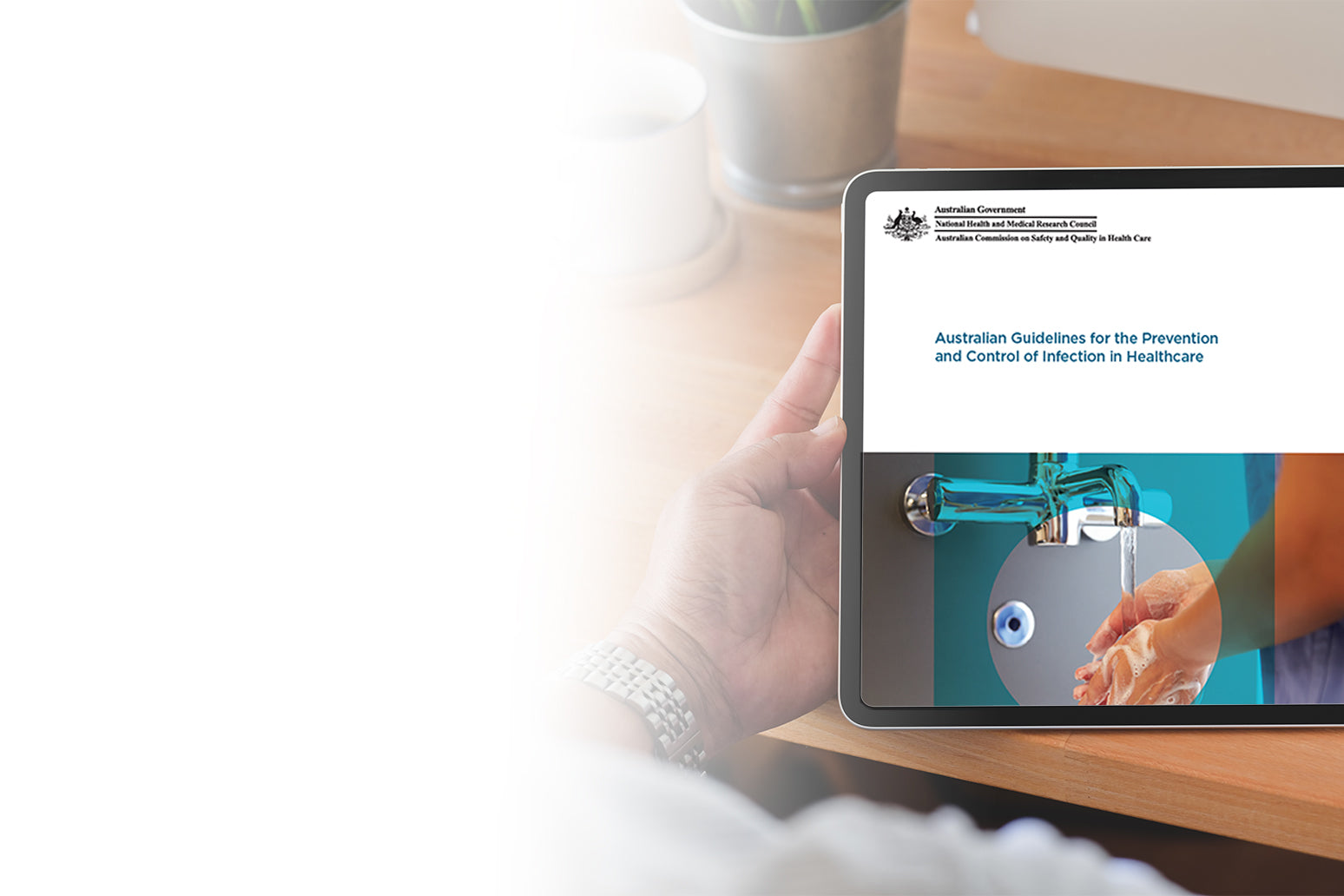
Review the evidence-based recommendations from the National Health and Medical Research Council. Learn why Purifas® FaceShield™ is a critical part of implementing these in any therapy setting.


The Dream Topper story continues with a new extended face cradle version designed specifically for horseshoe-style or contoured therapy beds. Built from therapist feedback, it delivers the same premium comfort, hygiene and presentation as the original — now in a cradle-specific design that supports a smoother, more natural prone position. Part of the Purifas zero-towel solution, it helps reduce towel use, streamline hygiene and elevate every client experience.


Therapists often assume reusable automatically means sustainable — especially with towels. But when you look at the full lifecycle, laundry carries hidden water, energy, chemical and time costs that add up fast. This blog breaks down the real environmental impact of laundering versus recycling polypropylene, and shows why the greener choice isn’t about reusable vs single‑use in theory, but about which pathway actually reduces harm in a busy clinic.

 Pay $0 today
 Trial
Trial
 Pay
Pay